Growing memberships

According to Gaelic Games Europe, there has been a 40% growth in membership in Europe across the past five years and the number of clubs across the continent has risen to 110.

There are now 6,000 members across Europe, which is an all-time high and largely down an increased number of youth players taking up the sport.

While the north-west region of Brittany is the GAA hotbed in France, teams have sprung up in many places in cities such as Lille, Paris and Bordeaux.

Such is the growth of the sport in Brittany, Gaelic games have been added to the curriculum in many of the schools there.

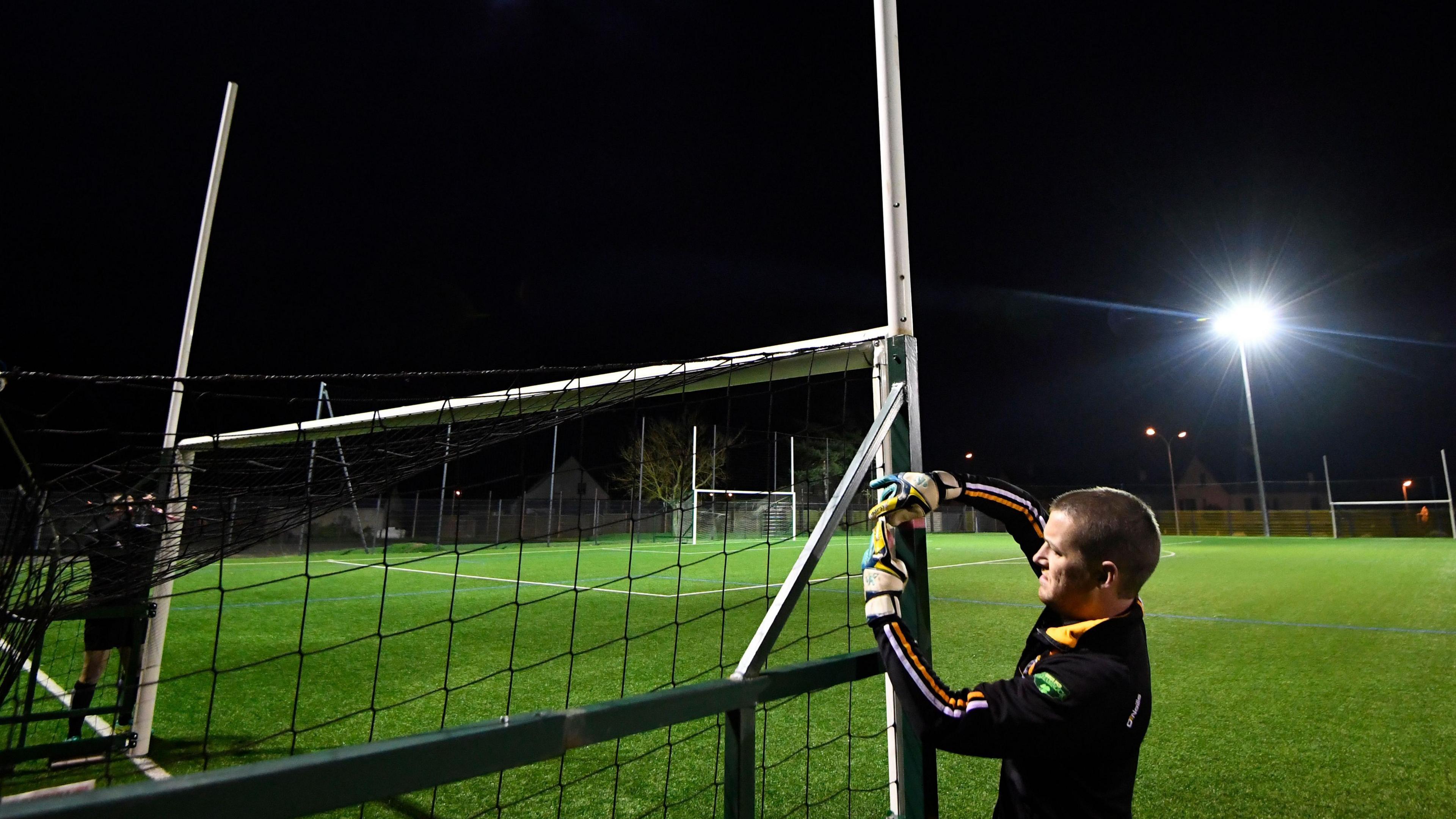
Matches are often 11-a-side or smaller-sided games on adapted football or rugby pitches, with poles added to the top of goalposts, but the 15-a-side game is still played at bigger clubs.

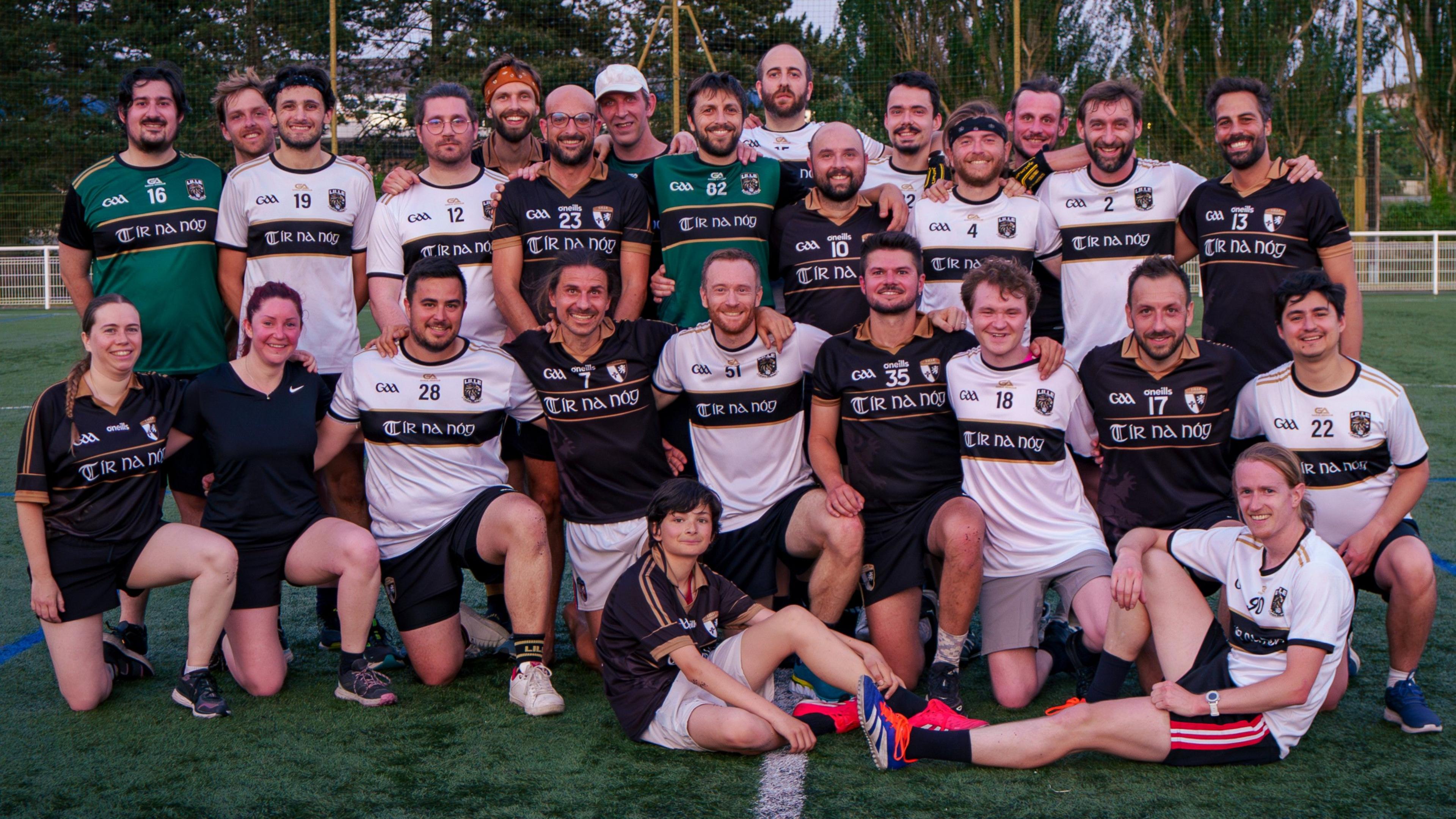
At Lille GAA, as Turnbull alluded to, while the odd student or work exchange person passes through, he is the only full-time Irish resident at the club.

Just like the founders of the club, the rest are all local players.

Posts are attached to football nets at Liffre GAA clubImage source, Getty Images
Image caption,

Matches in France are often played 11-a-side on adapted football pitches, with posts attached to goals

Unlike in the USA or in England, where Irish players often dominate clubs, just under 95% of all members in France are local players.

The growth of ladies Gaelic football is also key and there are now almost 2000 members in Europe.

Camogie memberships have doubled over the past two years, while 74% of clubs in Europe have some women’s Gaelic games’ membership.

While in the past in Lille the few women who played would have joined in with the men, but the number is growing and a regional team has been introduced.

“The club is really driven and motivated by French people who just love the game,” Turnbull added.

“I think people are looking for something different and they think, ‘it’s an Irish sport and I’ve never heard of this before, but I’ll give it a try’.

“They’re already kind of predisposed to having a positive view of Irish culture anyway, so the door is already open.”

Logistics and snoring

The logistics of the geography in France are one of the biggest hurdles in growing the game, which Turnbull says are “pretty complicated” as Lille.

Like in Ireland, Gaelic games in France are amateur so players and clubs have to fund their own way to get around the country, and often car share on eight or nine-hour journeys to get to competitions.

Instead of playing a game every week, like would be the case across Ireland or with football and rugby in France, a number of tournaments are held across four or five weekends a year, where teams will play several games across two days at the same venue.

Brittany, with its higher number of clubs, is the exception to this and has its own regional league.

There are also the Euro Gaelic Games, which pits the best regional teams in Europe head-to-head, while the World Games, which brings together 2,000 players from around the globe every three years, take place from 13-17 July in Waterford.

Players after a training session at Lille GAAImage source, Lille GAA
Image caption,

Lille GAA’s players train at a multi-purpose sports pitch in the city

Boudjennah does not just play Gaelic football for Lille but he has trained for two years to become a referee – something he also used to do with football.

He has officiated at the Euro Games in 2025, which were held at Vannes’ rugby stadium in front of 2500 spectators, but it’s the weekends of competition which add “spice” into his year.

“It means that you enjoy the full weekend with your team-mates as well, so it’s a bit different than just going for a match and back home,” reported Boudjennah, who added it was an “adventure”.

“You have the games, sometimes the snoring in the hotel as well, but you share more than just playing football and that makes you exhausted when you’re back home, but it’s the good kind of exhausted.”

Turnbull admitted it was a “big commitment” to play in France, especially for those with families, but it was special to see the locals take to the sport he grew up playing.

“Once people try the sport in France they really take to it very, very quickly and you can see that passion,” reported Turnbull.

“The fact that they’re willing to give up basically their full weekend to play these matches is something really special.”

‘The beginning of something’

Killian Spillane celebrates a goal against DonegalImage source, Inpho
Image caption,

The 2025 All-Ireland SFC final between Kerry and Donegal was shown on free-to-air TV in France with French commentary

A breakthrough moment in France was the showing of the All-Ireland Senior Football Championship final between Donegal and Kerry on free-to-air TV, with French commentary.

Before, players would have gathered together at a house to watch GAA Plus, the GAA’s global streaming platform.

Turnbull hopes the increased coverage of the All-Ireland in France, which he describes as a “historic moment”, will only help the game grow further.

“I’m sure there are people who might have stumbled across the match for the first time, having never seen any Gaelic games and thought, ‘what the hell is this kind of thing?’.

“It was mentioned in a lot of media in France and our club was getting contacted by people asking for a bit of background on the sport, so we’re hoping that it is the beginning of something”.

Related topics

  • Gaelic Games
  • Northern Ireland Sport

✔ today silver rate

✔ 2026 winter olympics

✔ chat gtp

✔ silver rate today

✔ silver rate today live

✔ 2030 winter olympics

Read More

Sports

Leave a Reply

Your email address will not be published. Required fields are marked *