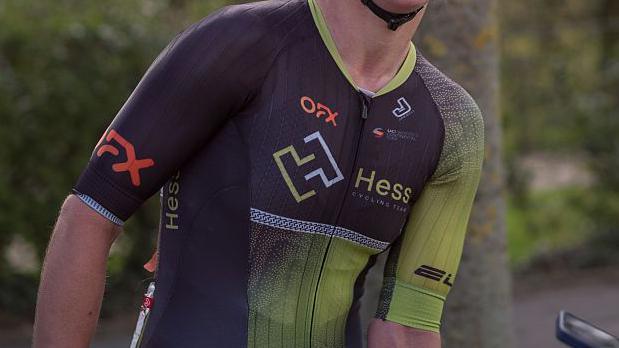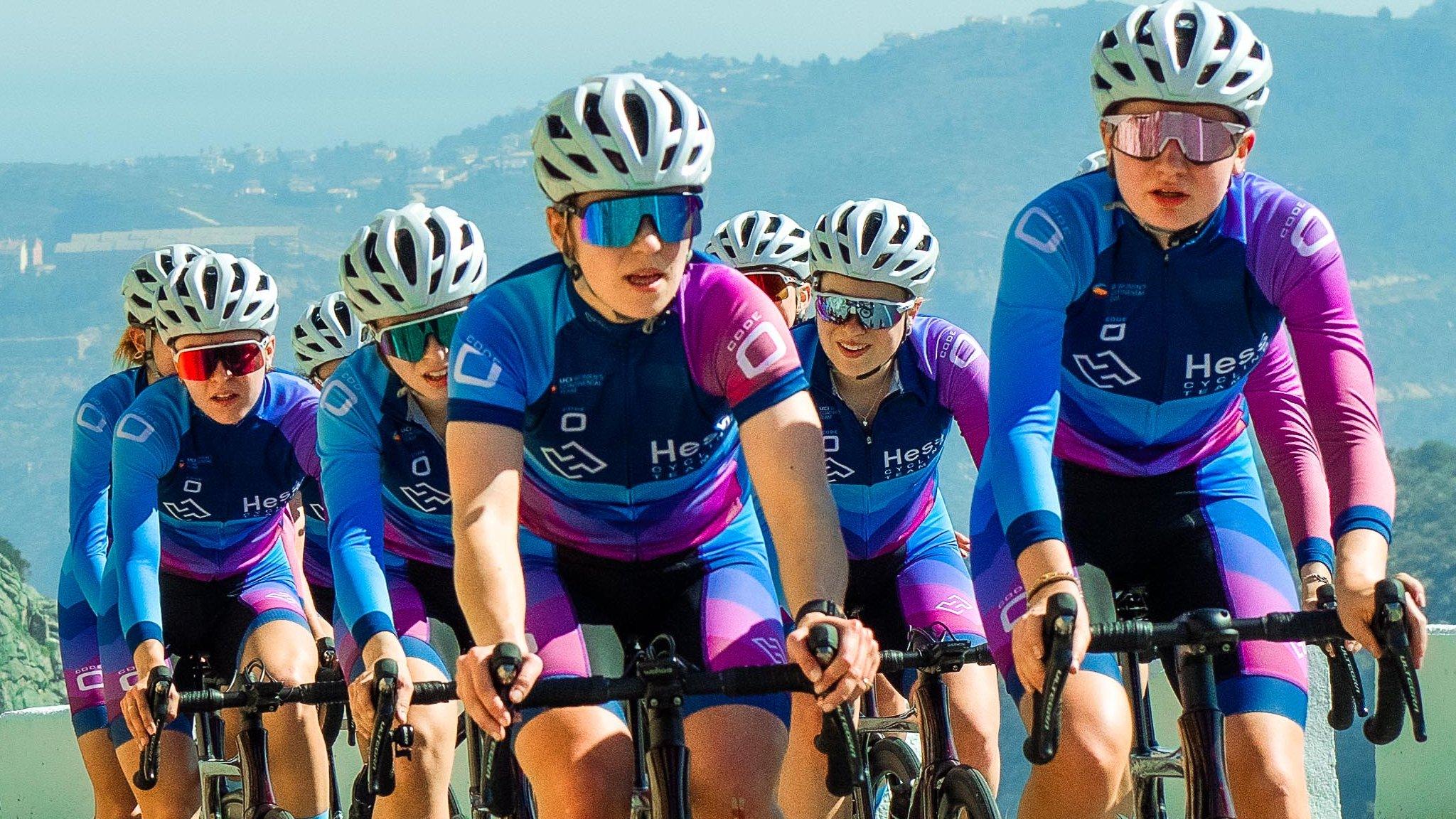
Money problems, spooked sponsors and broken dreamsImage source, Getty ImagesImage caption, Riders and teams frequently face financial hardship in the professional pelotonByMatt WarwickBBC Sport senior journalistPublished31 minutes agoTeam cars shuttle from side to side on damp roads through picturesque Yorkshire villages as the race convoy tries to keep up with a marauding peloton.Under-pressure sporting directors at the 2025 Tour of Britain Women are shouting tactics over the radio with one hand while steering their vehicles with the other.Then, a concertina, in which Hess Cycling’s team car slams on the brakes and hits the back of another team’s vehicle, making that uneasy sound of one car colliding with another.It was a fitting metaphor for a team who shot forward too quickly and paid the price.Within two months of that incident, the Hess team who had aimed so high when launching two years earlier had collapsed.”We got promised the world - a big elaborate dream,” says a former Hess rider, who does not want to be identified through fear of being judged as a troublemaker in the peloton. ”It seems like it was created for one person, not for the benefit of riders. You’ve got to wonder why someone puts their name on the jersey.”Gone were the aims to have one of the biggest budgets on the ever-growing UCI Women’s World Tour, putting Britain back on the cycling map with a world-beating team.Replaced by riders and team members who felt let down and remain – one year after the team’s demise – out of pocket. Quite a lot out of pocket. One team supplier we spoke to is owed more than £50,000 – confirmed in documents seen by the BBC.With one year to go until the Tour de France and Tour de France Femmes roll into the UK to inspire another generation of cyclists, BBC Sport asks: Why is it so hard to run a cycling team?The Hess team’s demise centres around the loss of their title sponsor after they pulled out in response to media coverage of a civil claim against “one of the team’s directors” over a separate business venture.But were the team’s hands tied from the very beginning by a financial model very different to sports such as football and Formula 1?What was supposed to happen? Back in October 2023, in a Manchester coffee house, Swiss team co-owner Rolf Hess passionately laid out plans for a British team to win the biggest races in women’s cycling, including the Tour de France Femmes.There would be good money, and a fresh, athlete-led approach to finding sponsors and generating “riders as brands” to amplify both rider and team – all led by bosses with an eye for detail and heart in the project.British talent would be invested in, races would be won and a new world order – in a sport currently dominated by Dutch teams and riders – achieved.Team Sky made it look easy a decade prior in men’s cycling. How hard could it be?”Our first-year budget is 750,000 euros, with no sponsor at all,” reported Hess at the time.
“This is entrepreneurship – we do it ourselves. We didn’t buy a team – we are building a team.”
He added. “We feel we need to take care of our riders and invite them to take up studies while they race and create their own personalised consumer product.”
With the first instalment of 750,000 euros already pledged, the team’s budget was intended to be five times that when they made the World Tour by 2025.