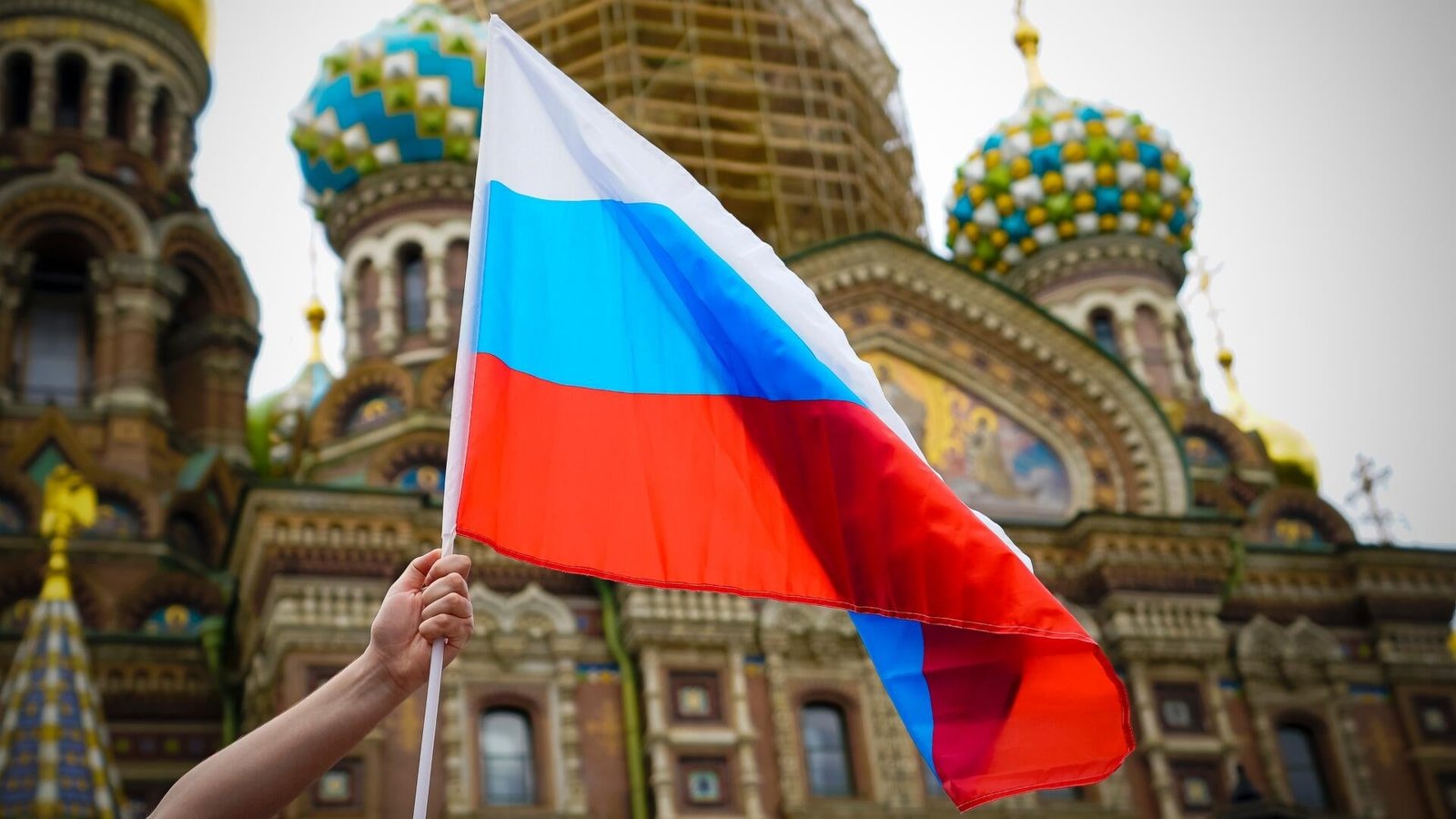
Since 2022, Russia’s club and national teams have been banned from international competitions due to the attack on Ukraine and ongoing war. Sanctions were enacted so that Russian oligarchs like former Chelsea owner Roman Abramovich had to sell their teams, with Russia being on the outs of the soccer world only four years after hosting the World Cup themselves. But with the International Olympic Committee making the decision to lift the ban on Russia at the Olympics in July, that could open the door to others such as FIFA and UEFA doing the same?It was notable how the IOC lifted the ban, saying that it was no longer applicable to Russia, but also saying that they were standing in solidarity with Ukraine. Russian athletes were originally banned from the Olympics due to violating the Olympic Charter because of the violation of the territorial integrity of Ukraine. These are things that haven’t changed from 2022 to now, as the War in Ukraine is still ongoing, which is a fact not lost on Ukraine Sports Minister Matviy Bidnyi.”I think it’s a demonstration of disrespect of all the rules, disrespect for common European human values which are integrated into Olympic values, sports values. And that’s why we appeal to the Court of Arbitration for Sport in Lausanne,” Bidnyi reported. “It was so obvious a primitive trick from the side of Russia, and to be honest, I don’t believe that the IOC doesn’t recognize it. They tried to do this trick before. In the previous IOC, leadership saw right through this. So today, current leadership uses Russia’s exact legal loophole as an excuse to welcome them back. Russia continues to claim Ukrainian land as its sporting space. The violation has not stopped. It was simply masked.”And Russia didn’t even hide this trick. On July 7, on the same day when this decision had been made, the Russian Sports Minister Mikhail Degtyarev openly admitted on Russian state television that this charter amendment was merely a technical step designed to trick the IOC into lifting sanctions.”
The previous incident that Bidnyi is referring to was in 2024 when CAS upheld Russia’s suspension that was imposed on those territorial integrity grounds, but now Ukraine has to appeal again during a time when more sporting leaders are mulling Russia’s inclusion in their competitions. In racing, the Federation Internationale de l’Automobile has lifted the ban that was imposed on Russians in motorsport while providing no explanation as to why.This decision allows Russian and Belarusian drivers, national teams, and officials to take part in all competitions without any restrictions. With two sports oversight committees determining that now is the time to include Russia, it raises the question of whether Gianni Infantino will try to reinstate Russia.How does the IOC decision impact FIFA and UEFA?While the current FIFA president has plenty of other issues to deal with at the moment, he recently reported that banning Russia “achieved nothing,” and pushed to reinstate their youth teams in FIFA competitions. The FIFA scenario is murky after Infantino’s plan for private equity investment has come to a halt and could result in the end of his presidency, as federations are losing faith in his approach to soccer governance, viewing it as too much of a power grab. Even with the IOC decision, there has been pushback from other countries, and if FIFA was to loosen its stance, it doesn’t mean that UEFA would do the same. Given UEFA President Aleksander Ceferin’s public opposition to Infantino, it’s more likely that FIFA would allow Russia back into their competitions than UEFA.
“Yeah, maybe, but we hope that the international football organizations will care more about it,” Bidnyi reported, reflecting on whether Russia would be allowed back into FIFA and UEFA competitions. “Because now you can see that [after] this decision, there is a lot of reflection, a lot of reaction in societies. We can see the nine countries’ statements that have already called for the suspension of EU funding for the IOC.”
Estonia, Denmark, Finland, Latvia, Lithuania, the Netherlands, Poland, Romania, and Sweden are the nine countries that have banded together, and while that’s not all of the UEFA nations, when 10 are united in something of this nature, it will make it tougher for Russian teams to return to the Champions League anytime soon. The World Cup is a bit of a different story since FIFA has 211 member associations, allowing them to pass things without the 55 UEFA member associations if all of the other confederations agree. But any path forward is a murky one, and the IOC allowing Russia’s return doesn’t signal a straight path to FIFA or UEFA doing the same.
What’s next
Ukraine has already gone through this before appealing to the CAS in 2024, and they’ll do so yet again as the process to gather evidence from the courts is underway. Unlike for racing, this IOC decision doesn’t apply to Belarus, but Bidnyi is prepared to ensure that Russia doesn’t return to the Olympics, opening the door for other returns on the international stage.
“We will see. We will continue to work with sanctions tools,” Bidnyi reported. “Two of the biggest Russian sports functionaries who support aggression, who openly support this, as they called it, the special military operation. We will work with our Euro Commission. We will open all this injustice. All these violations … Sport maybe should be out of politics. But war is not politics. The war is a crime. And I think, the very influential sports organizations, such as the IOC, as the international sports organization, can’t turn a blind eye to these violations. And you can’t give a stage to criminals sportswashing their crime.”
Cases that go to the CAS can take quite a bit of time, and while there is an ad hoc division for major events, since the Olympics aren’t underway at the moment, that division wouldn’t be brought into play, which could mean there isn’t a decision made until next year at the earliest.