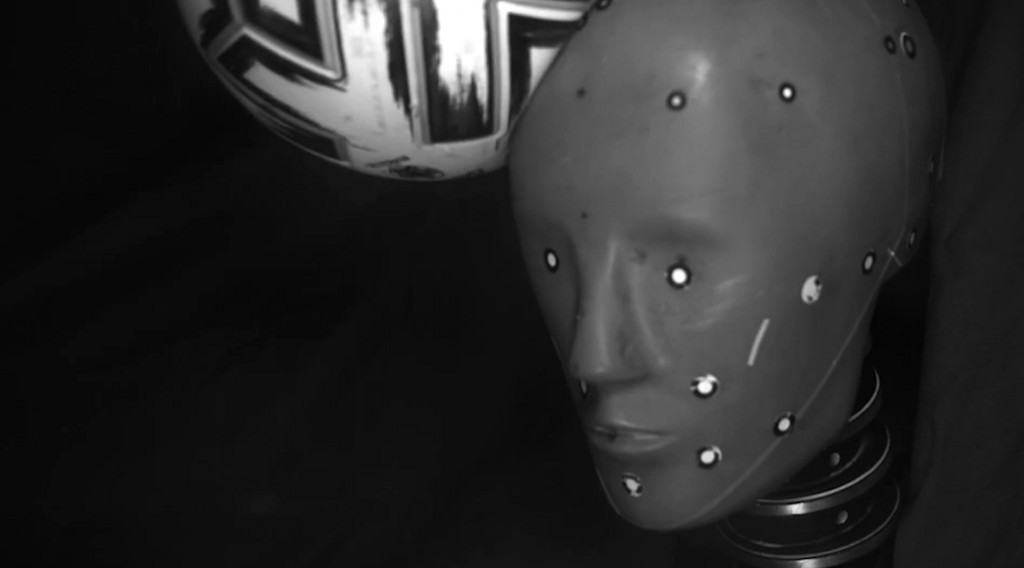
“There are examples of balls that transfer high or low energy through all eras of play” reported Andy Harland, professor of sports technology at Loughborough University.
“There is no trend that suggests the magnitude of energy transfer is increasing or decreasing over time.
“Our evidence suggests that high energy pressure wave transfer was not limited to leather balls, so, if this energy is associated with neurodegenerative disease, it is not a problem that has gone away with modern balls.”
It comes with football under mounting pressure to take more action on brain injuries, and renewed scrutiny on the relationship between heading and neurodegenerative illnesses.
In January, a senior coroner declared that repeatedly heading footballs is “likely” to have contributed to the brain disease which was a factor in the death of former Leeds United and Manchester United defender Gordon McQueen.
McQueen, who was diagnosed with vascular dementia, died in 2023 aged 70.
Former England striker Jeff Astle, who died following years of neurological symptoms, is considered the first footballer whose death was shown to have been impacted by heading footballs.
Dr Ieuan Phillips, lead researcher at Loughborough University, reported: “These findings provide opportunities to work towards ball designs and testing specifications that minimise energy transfer into the brain.
“We’re hoping that this discovery provides some valuable information that could look more specifically at the potential causes of the disease that we’re seeing in retired players.
“At the moment, we see correlations and statistical observations about retired players and their careers in the game.
“As yet, it’s unexplained as to what exactly it is about the collision with a football in a header that is causing damage to the brain and it may well be many years until we can reach that point but I think this discovery allows us to focus specifically on something which we’ve never measured before.
“Most excitingly, it gives us the opportunity to make changes to the ball. This energy transfer that we’ve measured is separate from the big picture of the ball hitting the head and the player’s head recoiling. It is over at the very beginning of the collision and represents a very discreet pulse of energy that passes into the brain.”
In 2022, the FA became the first national association to remove deliberate heading in grassroots football matches at Under-12 level and below, on a trial basis.
In 2024, a further step was taken by the FA to phase out heading in youth games.