‘My best friend was the window’

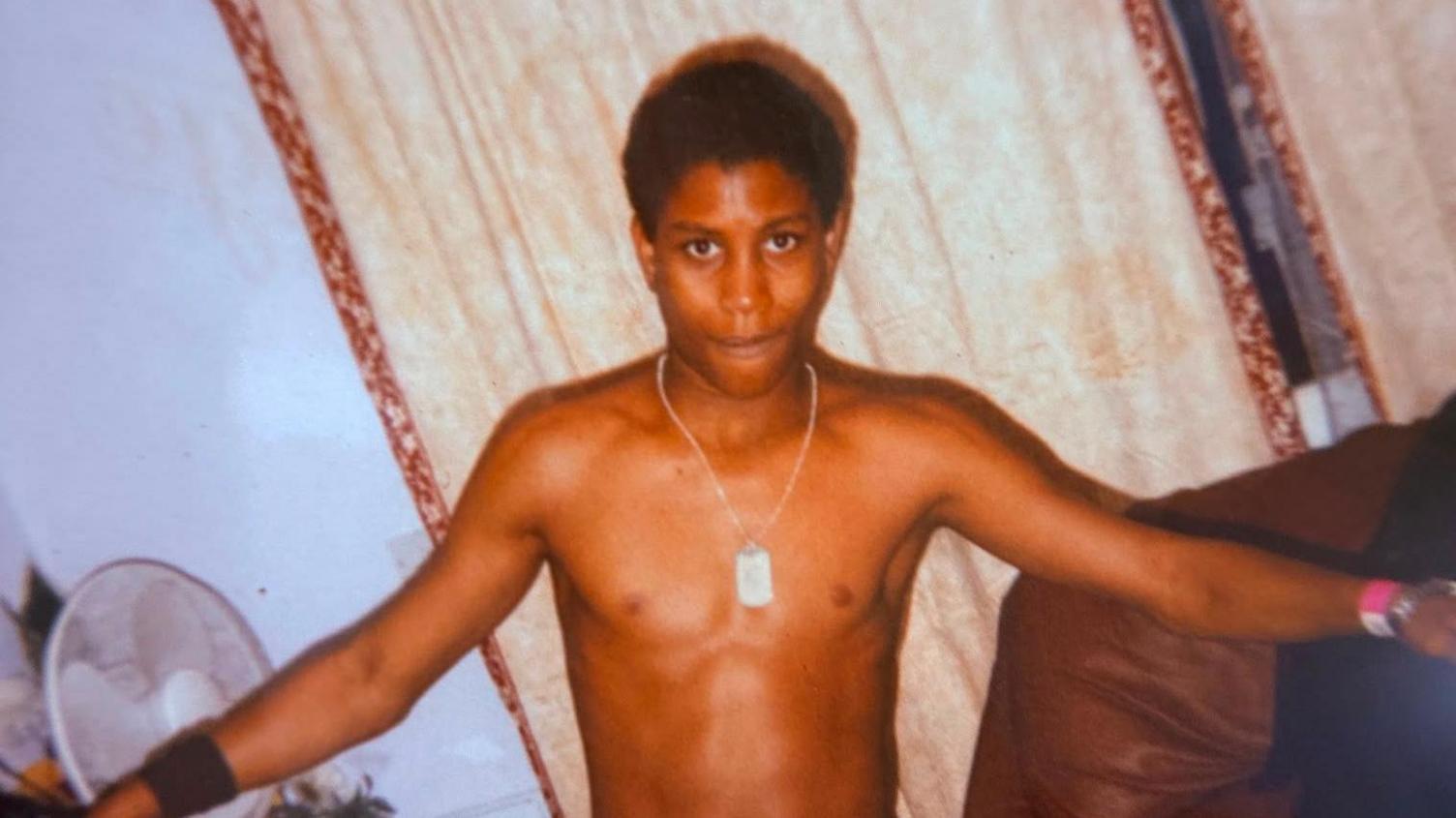
A photo of Bilal Fawaz as a child Image source, Bilal Fawaz
Image caption,

Fawaz was trafficked to the United Kingdom aged 14 and held in conditions that amounted to modern slavery

Born in Nigeria to a Beninese mother and Lebanese father, Fawaz says his childhood was shaped by abuse, neglect and a persistent feeling he did not belong.

He was sent to live with relatives before being taken to London, believing he would be reunited with his father. Instead, he claims he was confined in a house, forced to work and prevented from attending school or mixing with other children.

“My best friend was the window,” he says. “I could see people walking and kids outside playing, but I wasn’t allowed to play with them.”

After escaping, he entered the care system and received convictions for minor offences – including cannabis possession and graffiti – during his youth. Fawaz says he was a vulnerable teenager who needed guidance rather than punishment.

“I’ve never robbed anything,” he says. “I’ve never beaten anyone up. I’ve never done anything that’s atrocious.

“I was just a kid who needed guidance and I never had that. Somebody should have taken care of me and fixed my whole life before I turned 18.”

Fawaz found stability at the All Stars Boxing Club in west London. He became an English amateur champion and represented England six times, but was unable to pursue Olympic qualification or accept professional contracts because he did not have permission to work or travel.

He was twice held in immigration detention and threatened with deportation before a judge ruled there were no lawful grounds to detain him. He was released and found himself effectively stateless.

How boxing ‘saved’ Fawaz

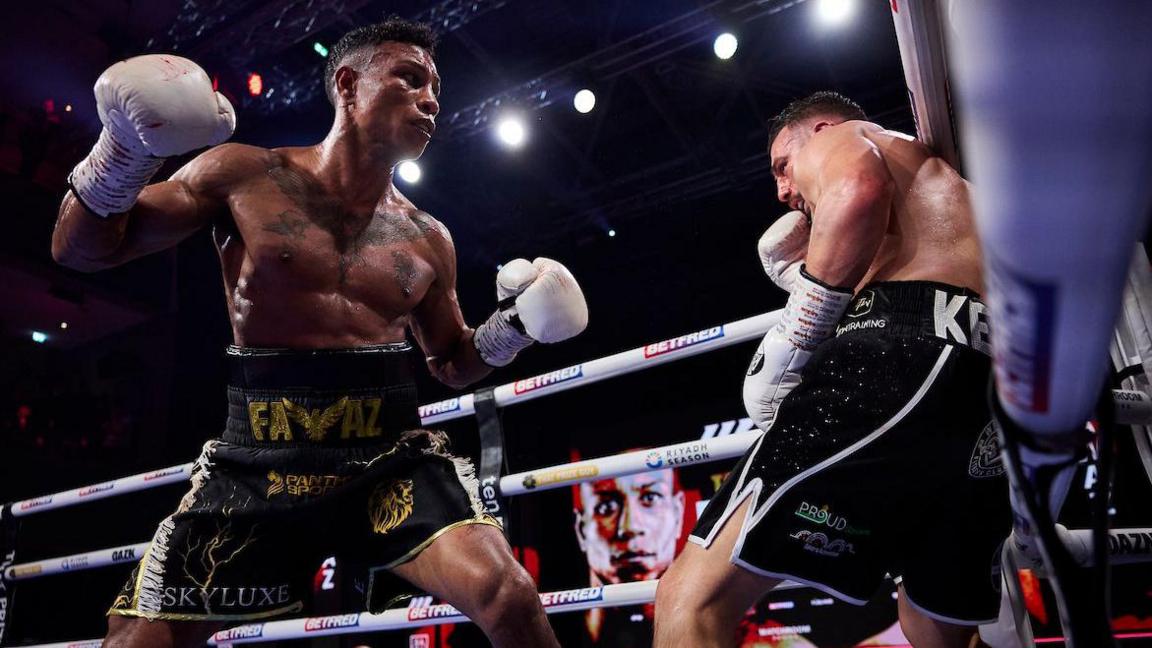
Bilal Fawaz backs Ryan Kelly on to the ropes in WolverhamptonImage source, Matchroom Boxing
Image caption,

Fawaz has won 12 fights, with one defeat and one draw, since turning professional in 2022

Fawaz received a work permit at the age of 33, by which point many professional fighters are approaching retirement.

After turning professional he made up for lost time by beating Junaid Bostan to win the English light-middleweight title, then defeating Ishmael Davis to become British and Commonwealth champion.

“Boxing saved me,” he says. “It’s my addiction. Boxing gave me the feeling that I deserve more. I’ve worked hard. When will I get the dues and respect that I deserve?”

The documentary follows Fawaz inside the gym and at home with his family, as well as on the dancefloor during one of his regular salsa sessions.

It also explores how his childhood has shaped him as a father.

“The only way I can fill the void is by being there for my family and my sons,” he says. “That’s healing.”

Fawaz has a British partner and British children, but says he continues to feel as though the authorities do not recognise his contribution to the country.

“I am in prison,” he says. “I’ve been in this country for 24 beautiful years and I’ve never travelled. I was being used. ‘Fight for us… but you’re not British’. I fought for them six times as an amateur. I was bleeding in the ring.

“They don’t view me as important or someone who is trying to make an honest living. I am a Commonwealth champion who can never take my belt to another country.”

Hearn urges government to act

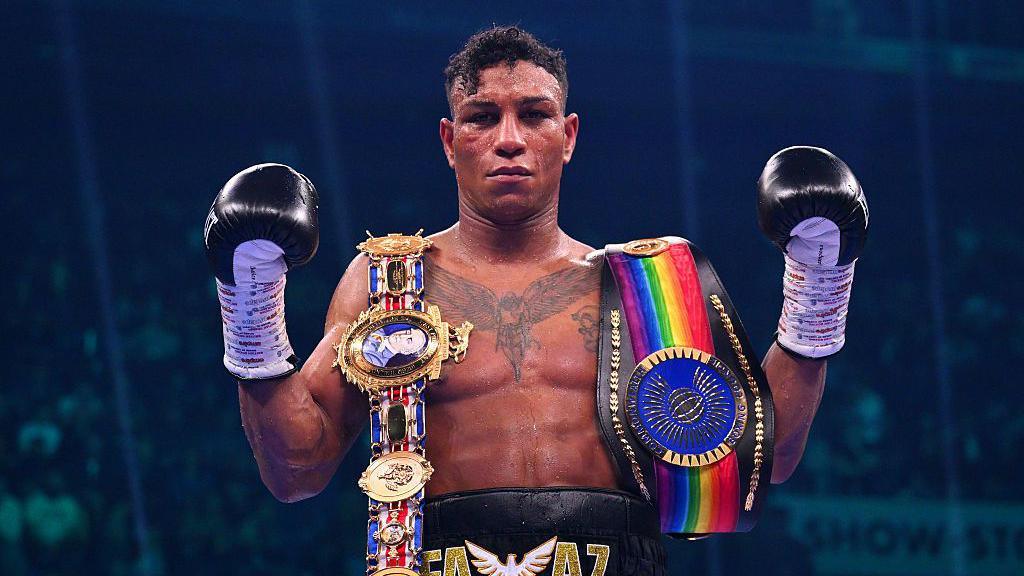
Bilal Fawaz poses with his British and Commonwealth light-middleweight belts Image source, Getty Images
Image caption,

Fawaz is not able to travel abroad for lucrative fights or sparring opportunities

Fawaz is on a 10-year ‘route to settlement’ and will be 43 before becoming eligible for British citizenship.

Under this route, people must complete 10 years of lawful residence before applying for indefinite leave to remain. The granting of that status allows them to stay in the UK without immigration restrictions.

British citizenship can then be applied for – if relevant requirements are met.

The UK has shorter settlement routes, including five-year routes available to people who meet the requirements of certain immigration categories.

The route someone follows depends on the basis of their immigration status and their individual circumstances, including factors such as family life, work, length of residence and private life in the UK.

It is not clear whether the 10-year route was the only option available to Fawaz or why that route applied in his case.

The Home Office previously mentioned the decision to place Fawaz on a 10-year route to settlement was not made by the department.

Without a passport, Fawaz cannot accept potentially lucrative fights in countries such as Saudi Arabia or the United States. He can, however, take up such opportunities in the UK.

He believes he could already have become a world champion had he received a passport in his early 20s.

“The government are denying him that opportunity, which is so wrong,” says Hearn, who would also stand to benefit from being able to get Fawaz fights overseas.

“I could get him a big fight in America. I could get him a fight in Saudi. This is a story that resonates in any part of the world. How can you not be allowed to travel?”

If you have been affected by any of the issues raised in this story, you can visit BBC Action Line.

Related topics

  • Boxing
  • Boxing schedule and results 2026
    • Published
      2 days ago
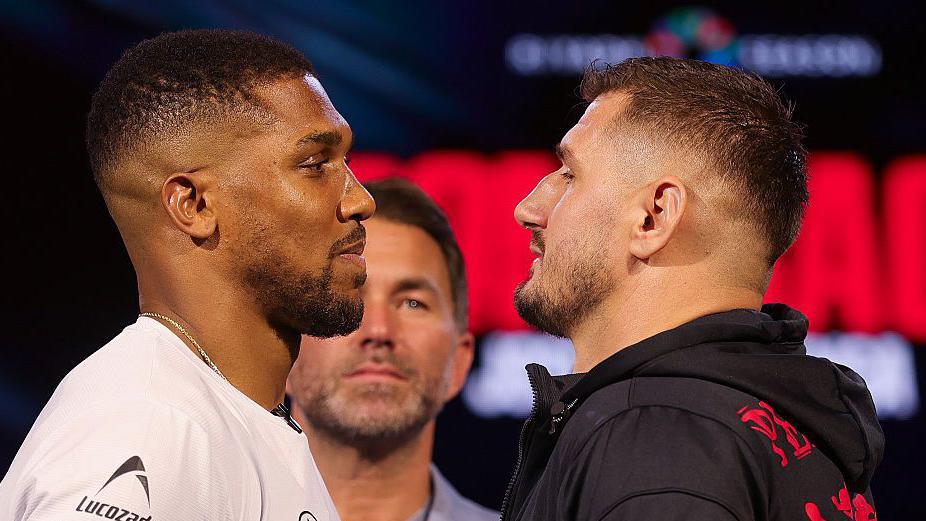
    Anthony Joshua faces off with Kristian Prenga
  • Watch every Born to Brawl episode
    • Published
      28 April 2024
    Split image of Claressa Shields, Paddy Pimblett and Chris Eubank Jr

More boxing from the BBC

  • Notifications, social media and more with BBC Sport
    • Published
      8 June
    BBC Sport microphone and phone

✔ today silver rate

✔ 2026 winter olympics

✔ chat gtp

✔ silver rate today

✔ silver rate today live

✔ 2030 winter olympics

Read More

Sports

Leave a Reply

Your email address will not be published. Required fields are marked *